7 Simple Ways to Make Your Home More Comfortable
Practical Fixes for Everyday Household Problems — From Squeaky Doors and Slipping Rugs to Better Lighting and Cozy Living Spaces
How to Make a Small Entryway More Functional Without Renovating
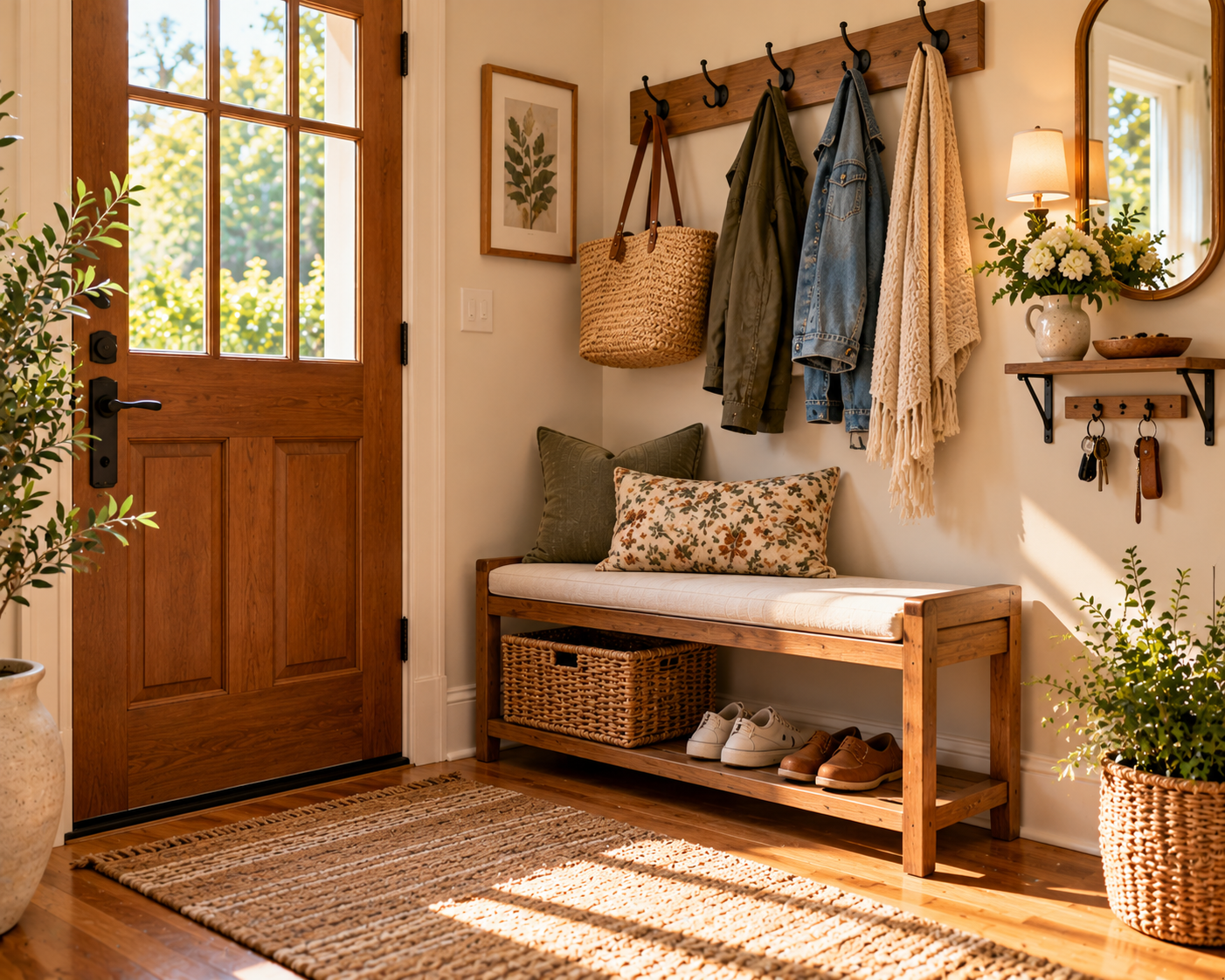
Shoes by the door, keys that always disappear, jackets hanging everywhere — a small entryway can quickly become the messiest part of the house.
But you don't need a large mudroom or custom-built cabinets to make your entrance feel organized and welcoming.
Here are six simple ideas that work even in tight spaces.
1. Give Shoes a Dedicated Spot
A pile of shoes can make even a beautiful entryway look cluttered.
Try a narrow shoe rack, a shallow cabinet, or a low bench with storage underneath.
Keep only the pairs your family uses regularly near the door. Store seasonal and rarely worn shoes elsewhere.
2. Add Wall Hooks for Everyday Essentials
When floor space is limited, use the walls.
A row of sturdy hooks can hold jackets, handbags, and reusable shopping bags without taking up valuable room.
Install hooks with fasteners suitable for your wall and the weight they'll support.
For families with children, consider adding a few hooks at a lower height.
3. Create a Place for Keys
A small tray on a console table or a wall-mounted key holder can save time every morning.
Choose one convenient location and make it a habit to put your keys there as soon as you walk inside.
Keep the area simple so it doesn't become another collection spot for clutter.
4. Choose Furniture That Does Double Duty
A slim storage bench can provide both seating and a place for shoes or accessories.
Measure carefully before buying furniture. Make sure the entry door can open fully and that there's enough space to walk comfortably.
Secure tall or tip-prone furniture to the wall according to the manufacturer's instructions.
5. Use Baskets for Small Items
Gloves, hats, dog leashes, and other everyday accessories are easier to find when they have a designated home.
Use a few small baskets or labeled containers inside an existing cabinet or on a sturdy shelf.
Avoid adding more storage than you actually need.
6. Make the Space Feel Welcoming
A functional entryway can still be beautiful.
Try a washable, slip-resistant rug, a small framed picture, or a narrow vase of fresh flowers.
Choose a rug and backing compatible with your flooring, and keep walkways clear.
A little warmth and personality can make the entrance feel like part of your home rather than just a place to leave shoes.
Quick Entryway Checklist
Keep everyday shoes in one designated area.
Install sturdy hooks for jackets and bags.
Create a consistent place for keys.
Choose narrow, multifunctional furniture.
Organize small accessories in baskets.
Keep the doorway and walking path clear.
Final Thoughts
A small entryway doesn't need to hold everything your family owns.
The secret is giving everyday essentials a convenient place while keeping unnecessary items out of the way.
With a few thoughtful changes, even the smallest entrance can feel organized, comfortable, and ready to welcome you home.
How to Make Your Sofa More Comfortable Without Buying a New One

Your sofa still looks beautiful, but something doesn't feel quite right. Maybe the cushions have flattened, the seat feels too deep, or you can never find a comfortable position while watching a movie.
Before spending money on a new couch, try these simple improvements.
1. Fluff and Rotate the Cushions
Sofa cushions gradually lose their shape with everyday use.
Remove loose back cushions and fluff them by gently pressing and shaking them. Rotate or swap reversible cushions if the manufacturer allows it.
This helps distribute wear more evenly and may restore some of their original comfort.
2. Check the Cushion Inserts
If your cushions remain flat after fluffing, the filling may have compressed.
For cushions with removable covers, check whether the inserts can be replaced.
High-density upholstery foam or suitable replacement fiberfill may improve support, but choose materials that match the cushion's dimensions and construction.
Don't overstuff covers, as this can strain seams and zippers.
3. Add a Lumbar Pillow
Sometimes the problem isn't the sofa itself — it's the way your back is supported.
A small, firm lumbar pillow can help fill the gap between your lower back and the sofa.
Choose a pillow that supports you comfortably without pushing your body too far forward.
4. Adjust the Seat Depth
Deep sofas look inviting, but they aren't comfortable for everyone.
If your feet don't rest comfortably on the floor when your back is supported, try placing a supportive pillow behind you.
A stable footrest may also help, provided it doesn't create a tripping hazard.
5. Make the Fabric Feel Softer
A scratchy or worn upholstery surface can make an otherwise comfortable couch less inviting.
Try a washable cotton throw or a soft blanket over the seating area.
Choose breathable fabrics that are comfortable against your skin and easy to maintain.
6. Inspect the Sofa's Support
If the seat sinks unevenly, creaks excessively, or feels unstable, there may be a problem with the frame, springs, or support system.
Check for obvious damage without dismantling the furniture.
Avoid improvised wooden boards or makeshift repairs that could damage the sofa or create unsafe pressure points.
For structural problems, consult a qualified furniture repair professional.
7. Create a More Comfortable Seating Area
Comfort isn't only about the cushions.
A properly positioned side table, a reading lamp, and enough room to stretch your legs can make the entire seating area more enjoyable.
Keep frequently used items within easy reach without overcrowding the space.
The Bottom Line
A comfortable sofa doesn't always have to be a new sofa.
Start by fluffing cushions, improving back support, and adjusting the seating position. If the cushions are worn out, replacing their inserts may be more economical than replacing the entire couch.
Small changes can help make your favorite spot in the house feel welcoming again.
How to Stop Rugs from Sliding on Hardwood Floors Without Damaging Them
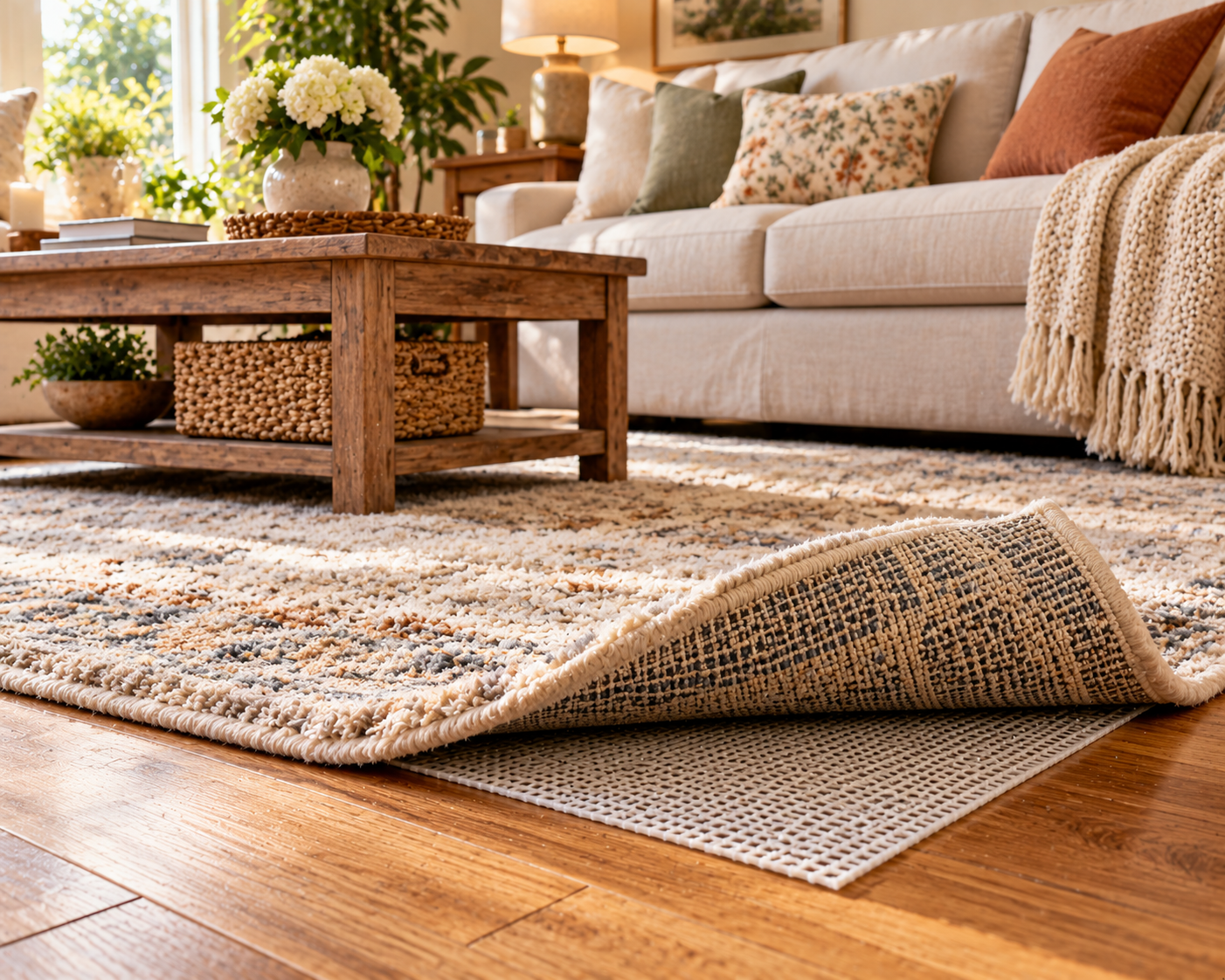
A beautiful area rug can make your living room feel warm and inviting. But when it keeps sliding across the hardwood floor, it quickly becomes frustrating — and potentially dangerous.
The good news? You usually don't need to replace your rug or attach anything permanently to the floor.
Here are five practical ways to keep it in place.
1. Start with a Quality Rug Pad
A properly sized, non-slip rug pad is often the simplest solution.
Look for a pad specifically labeled as compatible with your type of hardwood flooring and its finish.
Choose a pad slightly smaller than the rug so its edges remain hidden.
2. Clean and Dry the Floor First
Dust, grit, and moisture can affect how well a rug pad grips the floor.
Before placing the rug, clean the hardwood using the flooring manufacturer's recommended method.
Allow the surface to dry completely before putting the rug and pad back in place.
Avoid soaking hardwood floors with water.
3. Check the Rug's Backing
Some rugs already have a non-slip backing, but not every backing material is suitable for finished wood.
Check the rug manufacturer's care information and your flooring warranty before using rubber-backed or adhesive products.
If you're unsure, a compatible separate rug pad is generally a more flexible option.
4. Avoid Tape and Permanent Adhesives
Double-sided carpet tape and adhesive rug grippers may seem convenient, but some products can leave residue or damage hardwood finishes when removed.
Unless the product is expressly approved for your particular floor finish, avoid sticking it directly to the wood.
Never use glue, staples, or nails to secure a rug to hardwood flooring.
5. Choose the Right Rug Size and Placement
Small, lightweight rugs can shift more easily, especially in busy walkways.
A larger rug positioned partly beneath furniture may stay in place more reliably when paired with a suitable rug pad.
Make sure the rug lies flat, with no curled corners or raised edges that could create a tripping hazard.
What About Rugs in Hallways?
Runners in hallways deserve extra attention because people walk over them frequently.
Use a compatible non-slip pad that supports the full length of the runner, and check regularly for movement, curled edges, or wear.
If a rug continues to slip despite these precautions, consider replacing it with a more stable option.
Final Thoughts
Keeping a rug from sliding doesn't have to involve tape, glue, or permanent changes to your floor.
A hardwood-compatible rug pad, a clean dry surface, and proper placement can make a big difference.
The goal is simple: a cozy room, a protected floor, and a rug that stays safely in place.
Why Do Your Curtains Never Hang Right? 6 Easy Fixes That Make a Big Difference

You buy beautiful curtains, hang them up, and something still looks wrong. Maybe they're too short, bunch up on the floor, or make the window look smaller than it really is.
Before replacing them, try these simple fixes.
1. Hang the Curtain Rod Higher
A rod installed directly above the window frame can make the window appear shorter.
When space allows, try positioning the rod about 4–6 inches above the window frame.
Just make sure there's enough room beneath the ceiling or crown molding.
2. Extend the Rod Beyond the Window
Curtains can block valuable daylight when the rod is barely wider than the window.
Extending the rod approximately 6–12 inches beyond each side, when wall space allows, gives open curtains more room to stack.
This can make the window look wider and let more natural light inside.
3. Choose the Right Curtain Length
Curtain length can completely change how a room looks.
For a clean, practical finish, aim for curtains that end approximately ½ inch above the floor.
Curtains that lightly touch the floor can also look elegant, but avoid excessive fabric pooling in busy family spaces.
Always measure from the actual hanging point of your curtain hardware, not simply from the top of the window.
4. Use Enough Fabric
Curtains stretched almost flat across a window rarely look full and inviting.
For a softly gathered appearance, the combined width of your curtain panels should generally be around 1.5–2 times the width of the rod.
The ideal fullness depends on the fabric and curtain style.
5. Remove Wrinkles Before Hanging
New curtains often have deep fold marks from their packaging.
Follow the fabric care label and use an appropriate steaming or ironing method.
For delicate fabrics, test a small area first and avoid excessive heat.
Once hung, arrange the folds evenly by hand.
6. Check the Rod and Brackets
Sometimes the curtains aren't the problem — the hardware is.
A rod that bends in the middle can make the panels hang unevenly.
Choose hardware rated for the weight of your curtains, add a center support when required, and secure brackets with fasteners appropriate for the wall.
Quick Curtain Checklist
Position the rod higher when space allows.
Extend it beyond the window frame.
Measure curtain length from the hanging point.
Use enough fabric for natural folds.
Remove packaging wrinkles.
Check that the rod is level and securely installed.
Final Thoughts
Beautiful curtains don't have to be expensive.
Often, the biggest improvement comes from hanging them at the right height, choosing the correct length, and giving the fabric enough room to fall naturally.
A few small adjustments can make an ordinary window look beautifully finished.
Why Do Your Doors Keep Squeaking? Simple Fixes That Actually Work
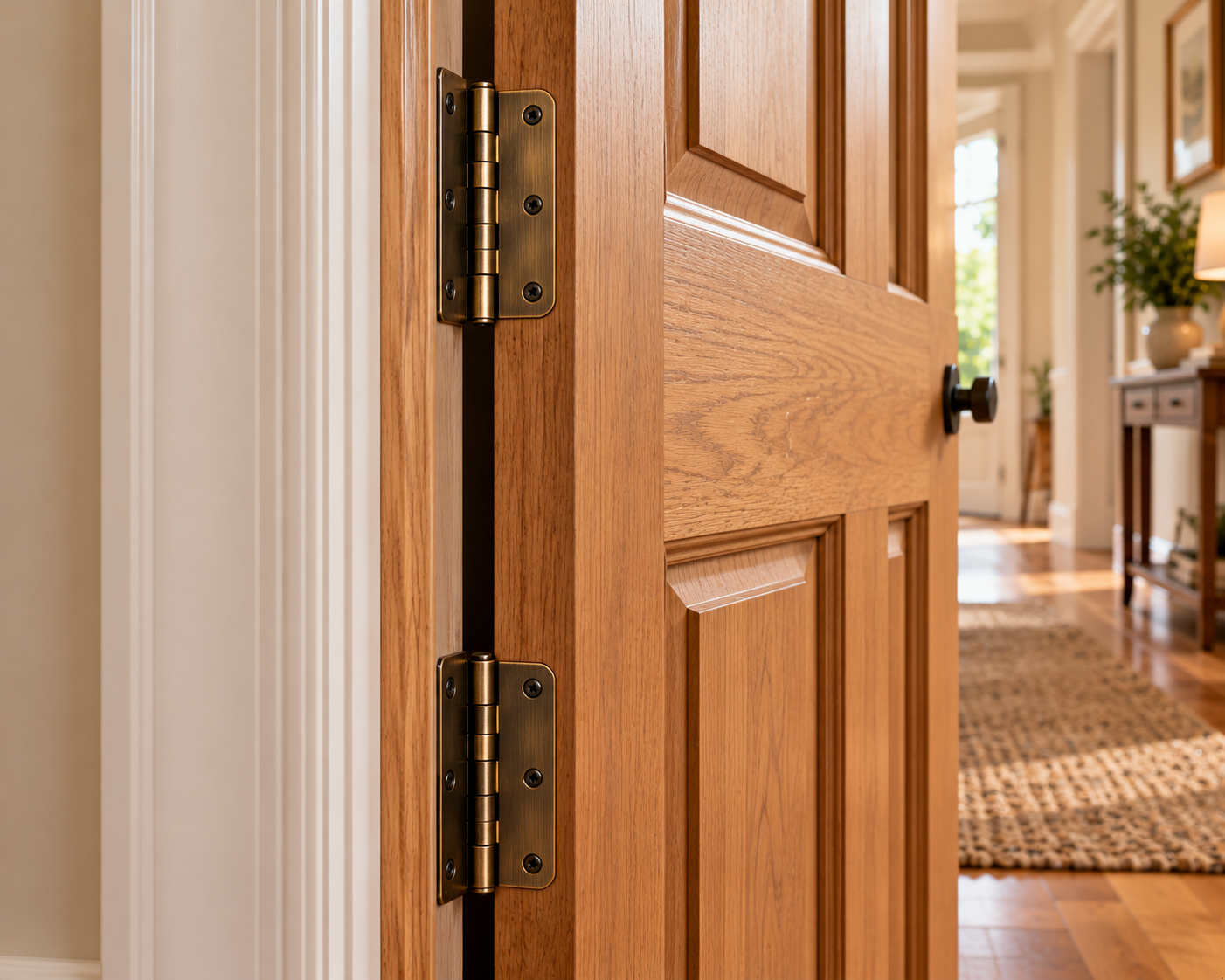
That familiar squeak every time you open the bedroom or bathroom door can become surprisingly annoying.
Fortunately, a squeaky interior door often has a simple cause: friction, dirt, or a hinge that needs attention.
Before calling a handyman, try these easy fixes.
1. Find the Noisy Hinge
Slowly open and close the door while listening carefully.
Most interior doors have two or three hinges. Try to identify which one makes the noise.
Look for loose screws, rust, or visible damage.
2. Clean the Hinges
Dust and dirt can collect around the moving parts.
Wipe the hinges with a dry microfiber cloth or a soft brush. Remove any visible debris without forcing the hinge apart.
Protect nearby paint and woodwork while cleaning.
3. Apply the Right Lubricant
A small amount of lubricant can often stop the squeaking.
Choose a product specifically suitable for metal door hinges, such as an appropriate silicone or PTFE-based lubricant.
Apply a small amount to the hinge's moving joints, following the product instructions.
Open and close the door several times to distribute it, then wipe away any excess.
Avoid spraying lubricant onto the floor, painted surfaces, or nearby furniture.
4. Tighten Loose Screws
If a hinge moves against the door frame, loose screws may be contributing to the noise.
Use the correct screwdriver to tighten them gently.
Don't overtighten or force screws that no longer grip the wood.
If the screw holes are stripped, the hinge may need a proper repair.
5. Check for Door Misalignment
Sometimes the squeak isn't coming from the hinges.
A door may rub against its frame because of settling, humidity changes, or worn hardware.
Look for scrape marks, uneven gaps, or areas where the door sticks.
If the door is badly misaligned, have the hinges or frame adjusted rather than forcing it closed.
6. Know When to Replace a Hinge
A severely rusted, bent, cracked, or damaged hinge may need replacement.
Choose a replacement compatible with the door's size and weight.
Heavy doors, fire-rated doors, and exterior security doors may require specialized hardware or professional repair.
What Not to Do
Don't use cooking oil as a permanent hinge lubricant; it can attract dirt and become sticky.
Don't remove all the hinge pins from a hanging door.
Don't spray large amounts of lubricant into the mechanism.
Don't ignore loose or damaged hinges on a heavy door.
Final Thoughts
A squeaky door doesn't always mean something is seriously wrong.
Often, cleaning the hinge, applying a little suitable lubricant, or tightening a loose screw is enough.
A few minutes of careful maintenance can make your home a little quieter — without an expensive repair.
Why Does Your Bedroom Feel Hot at Night? 7 Simple Ways to Keep It Cooler

You turn off the lights, climb into bed, and expect a comfortable night's sleep. But somehow, your bedroom still feels warm and stuffy, even when the rest of the house seems fine.
A hot bedroom can make falling asleep difficult, especially during summer. Fortunately, a few small changes may help you create a cooler, more comfortable sleeping space.
1. Block Afternoon Sunlight
Windows that receive direct afternoon sunlight can warm up a bedroom long before bedtime.
Open the curtains again when the outdoor temperature drops.
2. Choose Breathable Bedding
Heavy comforters and thick synthetic blankets can trap heat around your body.
You don't need to replace everything. Sometimes changing your comforter is enough.
3. Use Your Ceiling Fan Correctly
A ceiling fan helps you feel cooler by moving air across your skin, but it doesn't actually lower the room's temperature.
During warm weather, most ceiling fans should rotate counterclockwise when viewed from below to create a downward breeze.
Turn the fan off when nobody is in the room to avoid wasting electricity.
4. Check Your Air Vents
If your bedroom has central air conditioning, blocked supply or return vents may affect airflow.
Replace or clean HVAC filters according to your system's instructions. If one room stays much warmer than the others, an HVAC professional can check airflow and system balance.
5. Open Windows at the Right Time
Opening windows isn't always helpful during a hot afternoon.
If outdoor air is warmer or more humid than the air inside, open windows may make the bedroom less comfortable.
Keep windows closed when air quality is poor or when opening them creates a security concern.
6. Reduce Heat from Electronics
Computers, televisions, lamps, and other electronics release heat while operating.
7. Pay Attention to Humidity
A bedroom can feel uncomfortable even at a moderate temperature when the air is humid.
Air conditioning or a properly sized dehumidifier may help if your bedroom is consistently humid.
What Temperature Is Best for Sleeping?
Many people sleep more comfortably in a cool bedroom, but there isn't one perfect temperature for everyone.
Start with a setting that feels comfortable for your household, then adjust your bedding, airflow, and thermostat as needed.
During extreme heat, prioritize safe indoor temperatures rather than trying to follow a fixed sleep-temperature recommendation.
Final Thoughts
A cooler bedroom doesn't always require a new air conditioner or expensive renovations.
Blocking afternoon sunlight, choosing lighter bedding, improving airflow, and controlling humidity can make a noticeable difference.
Sometimes the most comfortable bedroom is simply one that's better prepared for the weather outside.
Why Does Your Home Feel Dark During the Day? 7 Simple Ways to Brighten It

You open the curtains, but your living room still feels gloomy. Even on a sunny afternoon, some corners seem dark and uninviting.
The good news? You don't always need bigger windows or expensive renovations to make a room feel brighter.
Here are seven simple changes worth trying.
1. Move Furniture Away from Windows
A tall bookcase, oversized chair, or large plant can block more daylight than you realize.
2. Choose Lighter Window Treatments
Heavy curtains can make a room feel darker, even when they're open.
Replace bulky window treatments with light-filtering curtains or shades that allow more daylight inside while providing the privacy you need.
Keep existing blackout curtains if they're important for sleeping or controlling summer heat.
3. Clean Your Windows
Dust, dirt, and fingerprints can reduce the amount of light passing through glass.
Clean accessible windows using products and methods suitable for the glass and frame.
For high or difficult-to-reach exterior windows, use a professional rather than taking risks on a ladder.
4. Use Mirrors Strategically
A mirror can reflect daylight into darker areas of a room.
Try placing one on a wall that catches light from a nearby window.
Avoid positioning mirrors where reflected sunlight creates uncomfortable glare or concentrates light onto heat-sensitive objects.
5. Lighten Large Surfaces
Dark walls, heavy furniture, and deep-colored rugs can absorb light and make a room feel smaller.
You don't need to repaint everything.
Try lighter pillow covers, a cream-colored throw, pale curtains, or a brighter area rug.
These small changes can help a room feel more open.
6. Add Lighting Where You Need It
Some rooms simply don't receive enough natural light.
A floor lamp beside a sofa, a table lamp in a dark corner, or under-cabinet lighting in the kitchen can make everyday activities easier.
Choose energy-efficient LED bulbs with a comfortable color temperature.
For a cozy living room, warm white lighting often works beautifully.
7. Trim Outdoor Plants That Block Windows
Overgrown shrubs or branches may block daylight from reaching your windows.
Careful pruning can sometimes make a noticeable difference.
Avoid removing healthy trees without considering their benefits for summer shade, privacy, and energy efficiency.
Hire a qualified professional for large branches or work near power lines.
A Quick Room-Brightening Checklist
Keep windows clear of bulky furniture.
Use lighter curtains where practical.
Clean window glass regularly.
Position mirrors to reflect useful daylight.
Add lighter fabrics and accessories.
Improve lighting in dark corners.
Check whether outdoor plants block too much light.
Final Thoughts
A brighter home isn't always about adding more windows.
Sometimes, moving a chair, changing your curtains, or adding one well-placed lamp is enough to make a room feel more welcoming.
Start with what you already have and see how much difference a few thoughtful changes can make.